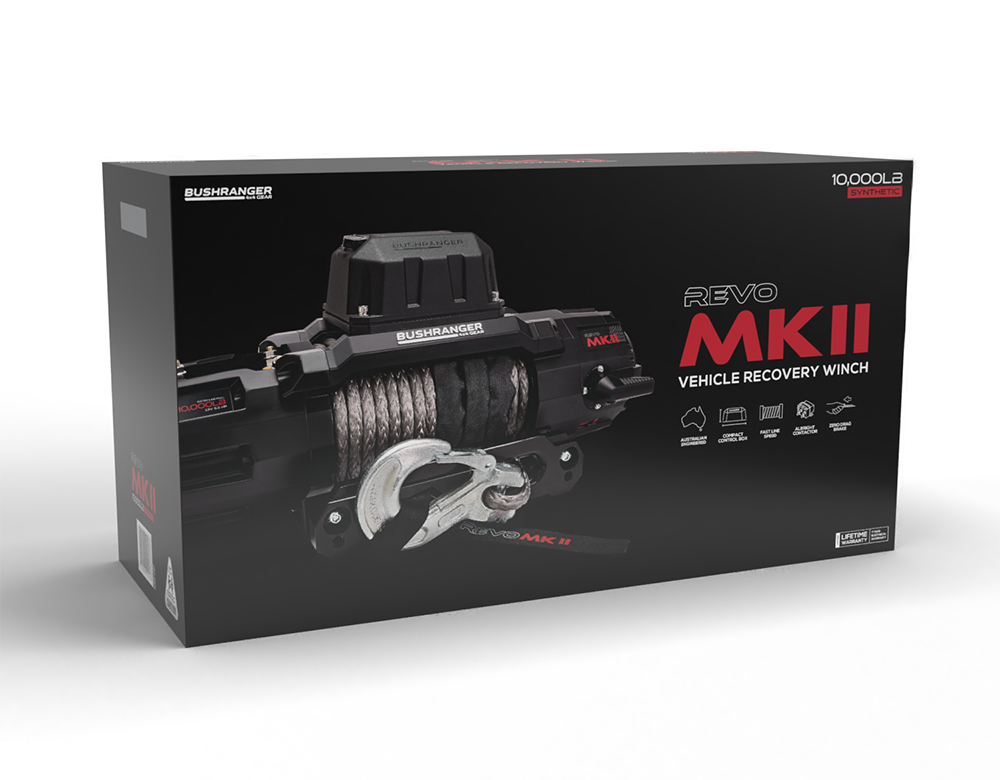
10000lb vs 12000lb Winch – Which One Should You Choose?
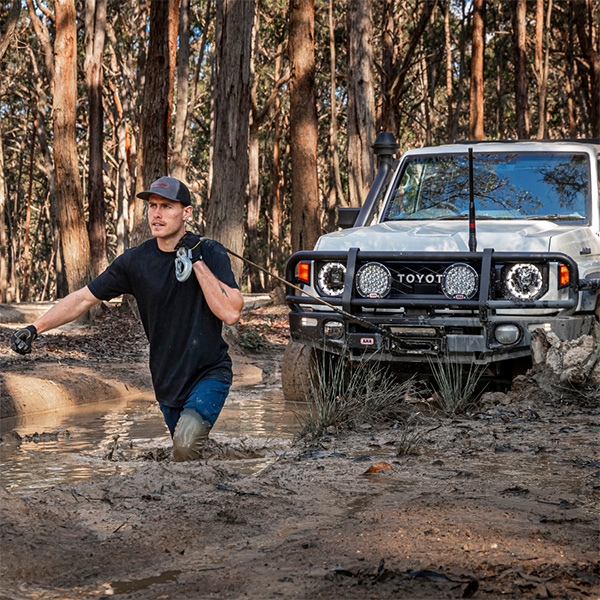
10000lb vs 12000lb Winch – Which One Should You Choose?
If you’re comparing a 10000lb vs 12000lb winch, you’re not alone. It’s one of the most common questions in off-road recovery. Both sizes can get the job done, but the right choice depends on your vehicle weight, terrain, and how often you rely on your winch. In this guide, we’ll explain the real-world differences and highlight how the Bushranger REVO MKII range fits into the picture.
10000lb vs 12000lb Winch: How Ratings Work
The capacity number is the maximum pulling force on the first layer of rope. A 10000lb winch is rated to 10,000 pounds, while a 12000lb winch is rated to 12,000 pounds. As more layers build up on the drum, effective pulling power decreases while line speed increases. This means both options perform differently depending on your recovery scenario.
- First layer: Maximum pulling power, slower line speed.
- Upper layers: Lower pulling power, faster line speed.
- Line speed vs load: Heavier loads = slower winch speed.
- Duty cycle: More capacity reduces strain and heat during long pulls.
Which Vehicles Suit a 10000lb vs 12000lb Winch?
Best for 10000lb Winch
- Mid-size 4×4 utes with moderate accessories.
- Touring SUVs used for green-laning, beaches, and lighter trails.
- Drivers who want lighter weight up front and faster line speed under moderate loads.
Best for 12000lb Winch
- Heavily equipped dual-cabs and wagons with canopies, drawers, or roof tents.
- Vehicles operating in deep mud or heavy clay where suction adds resistance.
- Owners who want a larger safety margin and fewer double-line pulls.
Pros & Cons of a 10000lb vs 12000lb Winch
Pros of 10000lb Winch
- Lighter overall weight on the front axle.
- Often quicker line speed on moderate loads.
- Typically more affordable than larger models.
Cons of 10000lb Winch
- Smaller safety margin for heavier rigs.
- May require more frequent use of a snatch block.
Pros of 12000lb Winch
- More pulling power for loaded vehicles.
- Handles sticky mud and steep inclines with ease.
- Less strain on the winch motor during heavy pulls.
Cons of 12000lb Winch
- Slightly heavier on the nose.
- Can be slower on light loads compared to smaller units.
Terrain Scenarios for 10000lb vs 12000lb Winch
Sand & Beach Driving
A 10000lb winch often recovers mid-size utes quickly thanks to faster line speed at lighter loads. For fully-loaded wagons in soft dunes, a 12000lb winch provides extra headroom.
Mud & Clay
Mud adds suction and drag. Heavier rigs benefit from the 12000lb winch’s extra torque, while lighter rigs can manage with a 10000lb winch and a snatch block.
Rock Crawling & Technical Trails
Both capacities work well. Many prefer the lighter feel of a 10000lb winch on mid-size vehicles, while expedition builds lean toward the 12000lb winch for peace of mind.
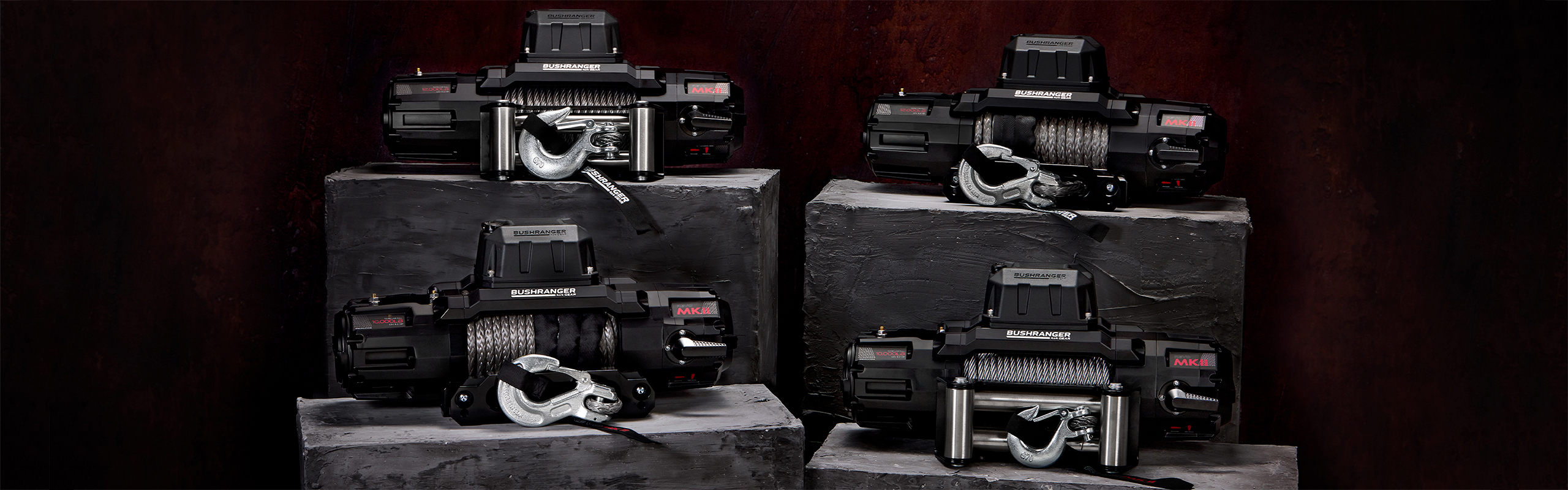
Spotlight: Bushranger REVO MKII 10000lb vs 12000lb
The Bushranger REVO MKII winch family is available in both 10000lb and 12000lb capacities, with synthetic or steel line options. They’re designed for reliability, advanced protection, and excellent line speed-to-pull ratios.
- 10000lb REVO MKII: Balanced choice for mid-weight utes and SUVs.
- 12000lb REVO MKII: Ideal for fully equipped rigs with touring payloads.
FAQs: 10000lb vs 12000lb Winch
Is a 10000lb winch enough for my ute?
Yes, for most mid-size rigs with moderate gear. Heavily loaded vehicles may need a 12000lb winch.
Does a 12000lb winch always pull slower?
Not always. At heavy loads, the 12000lb winch often maintains better speed because it works with less strain.
Which rope is best for a 12000lb winch?
Synthetic rope reduces overall weight and is easier to handle, making it popular for larger winches.
Conclusion: Choosing Between a 10000lb vs 12000lb Winch
For mid-weight 4×4 vehicles, a 10000lb winch offers speed and lighter handling. For heavier rigs with touring gear, a 12000lb winch provides the pulling power and safety margin to get you unstuck with less effort. Whichever you choose, make sure your electrics and recovery gear are up to the task.

Explore More
Shop more camping and touring gear for your build, or visit our DNA4x4s YouTube channel for installation tips and reviews.
